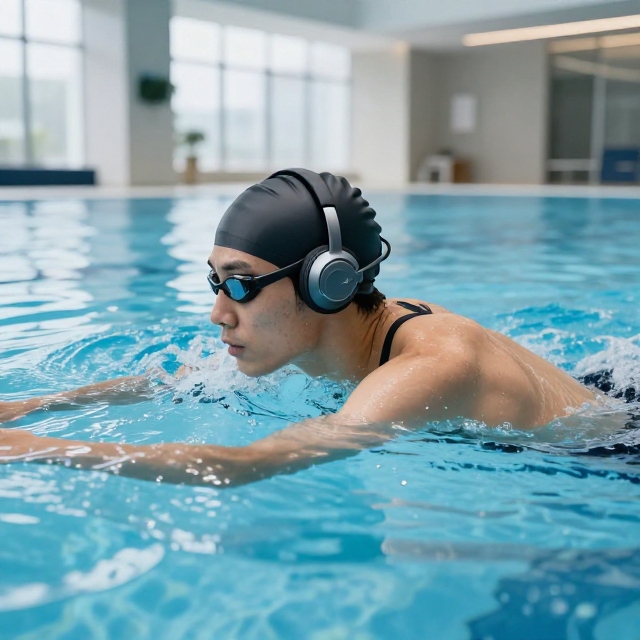
Swimming is a great exercise to become fit, build endurance and relieve stress. Some people like to enjoy the calming effect of the pool while some like to listen to music to keep them motivated during their exercise sessions. That’s where the swimming headphones come in handy! The swimwear is specially formulated for water, so swimmers can enjoy audio while exercising in the water.
Swimming headphones are designed with water-resistant features, durable headbands, and specialized headphones to ensure they can withstand the rigors of swimming. Some models are bone conduction, others are waterproof in-ear. The decision on which to use will depend on swimming habits, comfort preference, device compatibility, budget etc.
Knowing the characteristics, benefits, and types of swimming headphones can help you choose the right pair for your training, recreative swimming and other water-based activities.
What Are Swimming Headphones?
Swimming headphones are a type of audio device made to work in wet conditions, and under water for those that are rated for swimming. Designed for swimmers looking to get music, podcasts or other compatible audio while in the water.
Most headphones are not designed to be used underwater and can potentially be damaged by water or interfere with wireless signals. Swimming headphones overcome these obstacles with specific waterproof design and in some instances, with inbuilt storage for music files.
Several models come equipped to work with Bluetooth waterproof music players, or have built-in storage so swimmers can listen without having to keep the Bluetooth on. This is significant because regular Bluetooth signals are not effectively passed through water.
The swimming Headphones have Several key Features
To make the most informed decision when buying swimming headphones, it’s best to familiarize yourself with the various qualities and features that can affect their performance, comfort, and durability.
1. Waterproof Protection
One of the most essential features of swimming headphones is waterproofing. There should be a clear and explicit rating of the water resistance of a suitable model for the intended use.
For instance, an IPX8 rating typically implies that the device can be immersed continuously under certain conditions as set by the manufacturer. Not all devices are created equal, however, so just because they have a rating doesn’t mean they will handle all swimming depths and durations.
Before using headphones in the pool or in open water, check the manufacturer’s guidelines for immersion limits, water temperature and maintenance.
2. Secure and Comfortable Fit
Swimming is characterized by frequent changes in head position, turns and body position. Wobbly headphones can cause discomfort or get in the way of exercise.
Search for light-weight designs, adjustable straps, secure ear hooks or appropriate ear tips. Swimmers who train regularly or for longer periods should be especially careful to get a stable fit.
Personal preference plays a roll in comfort as well – checking sizes and size recommendations can make a difference.
3. Audio Quality
Another factor to take into account is audio performance. Swimming headphones should deliver good sound and be at an appropriate listening level.
An underwater listening situation may be quite different from listening on land due to the effects of water on how sound travels and the performance of certain designs. Headphones can be crafted to suit water activity or primarily for running or general exercise.
One way to find a model that provides adequate audio is to read the product specifications and swimming specific reviews.
4. Built-In Music Storage
Most swimming headphones come with an inbuilt storage capacity to store downloaded music. With this feature, swimmers can enjoy listening to music without the need to connect to a live internet or continual Bluetooth stream.
The amount of storage differs from one product to another, so take into account the amount of music you want during workouts. Additionally, see which formats are acceptable and whether an audio transfer will need to be done via computer or a compatible program.
5. Battery life and controls
The headphones’ performance dictates their battery life. Regularly exercising swimmers may want a model that will last through multiple sessions before recharging.
Buttons can also be beneficial due to the fact that touch screen controls can not be used under water. Convenience can be enhanced with simplicity when it comes to volume, track skip and pause controls.
There are different kinds of swimming headphones available
There are several types of swimming headphones that have their own benefits.
Bone Conduction Swimming Headphones
Bone conduction headphones are headphones that allow sound to travel through the vibrations of the bones in the head to the inner ear. Numerous models feature tiny transducers mounted close to the cheekbones instead of speakers in the ear canal.
For certain people these headphones offer an alternative that is comfortable and can leave the ear canals open. But not all models are waterproof for swimming, and therefore users should verify the specific waterproof rating and usage of the model.
Waterproof In-Ear Headphones
Waterproof in-ear headphones feature ear tips or special designs that fit inside the ear. They can create a more closed in listening experience and can help to minimize water getting into the ear canal when worn.
Comfort and audio quality is due to a secure seal. Be sure the product is specifically for submersible use and not just for sweat or rain.
Swimming Headphones With Integrated MP3 Player
A few products offer both headphones and music player in a single unit that is waterproof. They store the sound files in the internal memory, which means that users can listen to the music while they swim, without the need of a separate player.
These models are ideal for individuals who are looking for a simple system and are not reliant on wireless streaming in the water.
Hybrid Sports Headphones
Hybrid headphones are made for lots of activities – running, cycling, gym training and also swimming. They can be used for various sports, which can be appealing for people who do different sports.
But those who want to buy the actual model should make sure that it can be used underwater. The product might not be appropriate for swimming if it is created for heavy perspiration or for outdoor activities.
Benefits of Using Swimming Headphones
Improved Workout Motivation
Music can enhance the enjoyment of exercise, and for some swimmers, provide them with the motivation to swim more regularly. Fast music can help you get the motivation going when you do laps, slow music can be good when you’re swimming in a more relaxed way.
This will depend on different people, but a favourite playlist can help to make training interesting.
Better Workout Consistency
Swimming headphones can lead swimmers to create their own familiar exercise routine. Creating a specific playlist for a specific session could make people more likely to return to the pool routinely and have a more positive attitude towards exercise.
They can also be used in individual training sessions when the swimmers are seeking a tailored training session.
Personalised Listening Experience
Swimming in silence isn’t everyone’s idea of fun, nor is all swimming the same. Swimming headphones give users the option to select and enjoy the sound of their choice.
This may be music, recorded coaching instructions or other compatible audio material recorded for off-line listening, depending on the device.
Great for various swimming exercises
When used as directed by the manufacturer, swimming headphones can be used for recreational swimming, lap training, and certain water-based fitness programs. They are useful for various activities, the waterproof rating of the device, and local pool regulations.
Their allure to those who wish to have an audio accessory for use in water, rather than using regular headphones in an inappropriate environment is particularly notable.
How to Choose the Right Swimming Headphones
When choosing swimming headphones, it is not just about the price. Before buying, check the following:
- Waterproof: Make sure that the model will work for the length of time and depth that you plan on using it.
- Audio playback: If your device has audio playback, determine if there is audio storage or another supported playback method that is available offline.
- Comfort and fit: Ensure the design will stay in place with repeated head movements.
- Playback time: Check the manufacturer’s playback time against your workout routine.
- Memories: See if it has enough memory to store your audio files.
- Consider materials, charging options, and repeated exposure to pool water resistance.
- Budget: Do not make a purchase based on price only, but rather features and warranty coverage.
- Customer support: Review the return policy, documentation, and customer support options provided by the manufacturer.
Some people have actually used the headphones for swimming and have left reviews that can be of assistance when reading about the actual usage in the real world.
How to Keep Swimming Headphones Working
Proper care can help extend the life of swimming headphones. Clean and rinse the device with fresh water as recommended by the manufacturer after each use, and especially after exposure to chlorinated or salt water.
Dry the headphones thoroughly before charging them. Do not plug in a damp appliance to a charger unless the manufacturer states it is safe to do so.
Check charging contacts, seals and physical controls periodically for damage. Keep the headphones in a clean, dry environment, and make sure to keep them away from heat.
The recommended charging procedure should also be followed and a damaged device should not be charged in water. Well-maintained systems can help to prevent early failure and keep systems performing.
Safety Tips for Swimming with Headphones
Music should never be a distraction to swimming safety. Some people don’t hear whistles, instructions, people coming close to them in the water, etc., when using headphones.
Obey pool rules and lifeguard instructions and refrain from wearing headphones that inhibit hearing lifeguard signals. Open water swimmers must be especially vigilant – changing conditions, boats, currents and other hazards must be taken care of.
Set the volume of the listening device appropriately and check for sufficient environmental awareness for surroundings. Swimming headphones should be considered a recreational accessory, and not a replacement for swimming ability, supervision or proper swimming safety gear.
Conclusion
Swimming headphones are a great option for enjoying music during a swim workout. From bone conduction headphones to waterproof in-ear headphones to built-in MP3 players, there’s a headphone option that’s right for each swimmer’s comfort, workouts, and music preferences.
Ideally, the top swimming headphones will be fully waterproof, fit securely, deliver consistent audio, and offer convenient battery life. Storage space capacity, durability, maintenance and product support are also important factors for buyers to consider.
Swimmers can get a more customised exercise experience and ensure their gear is kept in good condition and they are safe while doing so, by choosing a swimming model built for underwater use and practicing proper care and safety.